Introduction
In the contemporary landscape, where environmental concerns are paramount, businesses are increasingly recognizing the significance of adopting sustainable practices. Packaging, being a substantial contributor to waste and resource consumption, has become a focal point for companies aiming to enhance their sustainability efforts. Sustainable packaging involves designing and utilizing packaging solutions that minimize environmental impact, promote resource efficiency, and align with circular economy principles.
What Is Sustainable Packaging?
Sustainable packaging refers to the development and utilization of packaging materials and systems that have minimal environmental impact throughout their lifecycle. This encompasses considerations from material sourcing and production processes to transportation, usage, and end-of-life disposal. The primary objectives are to reduce waste generation, conserve resources, and lower carbon footprints.
Key characteristics of sustainable packaging include:
- Renewable Materials: Utilizing materials sourced from renewable resources ensures a continuous supply without depleting natural reserves.
- Recyclability and Compostability: Designing packaging that can be easily recycled or composted facilitates the return of materials to the production cycle.
- Minimal Environmental Impact: Employing materials and processes that result in lower emissions, energy consumption, and pollution.
- Functional Efficiency: Ensuring that packaging effectively protects the product while minimizing material usage.
Importance of Sustainable Packaging
Adopting sustainable packaging practices offers numerous benefits, both for businesses and the environment:
- Environmental Conservation: Reduces the depletion of natural resources and minimizes pollution.
- Cost Savings: Efficient use of materials and energy can lead to reduced production and transportation costs.
- Regulatory Compliance: Aligns with increasing regulations and policies aimed at reducing environmental impact.
- Consumer Appeal: Meets the growing consumer demand for eco-friendly products and practices.
- Brand Reputation: Enhances corporate image by demonstrating commitment to sustainability.
Strategies for Implementing Sustainable Packaging
1. Material Selection
Choosing the right materials is crucial in developing sustainable packaging solutions. Options include:
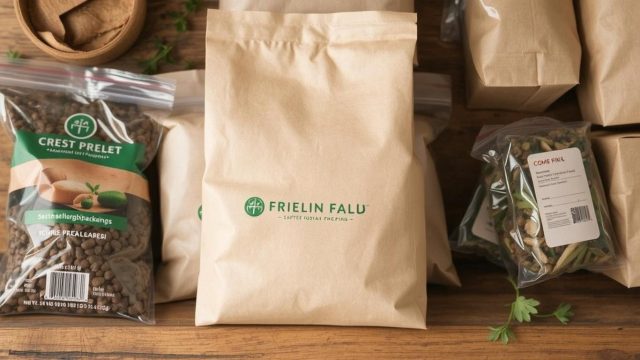
- Recycled Materials: Utilizing post-consumer recycled (PCR) materials reduces the need for virgin resources and supports a circular economy.
- Biodegradable Materials: Materials that decompose naturally can reduce long-term environmental impact.
- Renewable Resources: Sourcing materials from renewable sources ensures a continuous supply without depleting natural reserves.
- Edible Packaging: Innovations in edible materials can eliminate packaging waste entirely.
2. Design Optimization
Efficient design can minimize material usage and enhance recyclability:
- Minimalist Design: Reducing excess packaging not only cuts costs but also lessens environmental impact.
- Modular Design: Designing packaging that can be easily disassembled promotes recycling and reuse.
- Size Optimization: Tailoring packaging sizes to product dimensions reduces material waste and transportation emissions.
3. Adoption of Innovative Technologies
Technological advancements play a pivotal role in sustainable packaging:
- Smart Packaging: Incorporating sensors and indicators can extend product shelf life and reduce food waste.
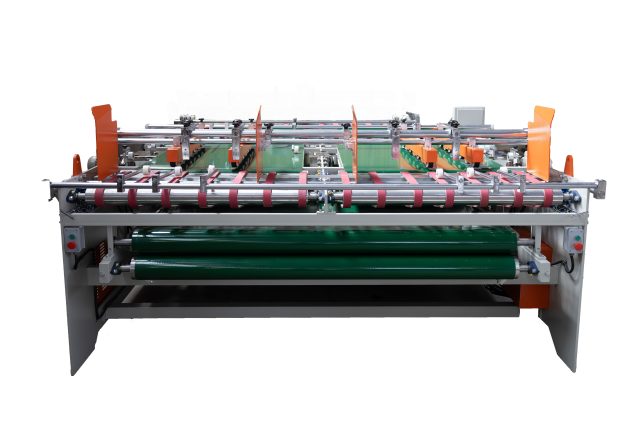
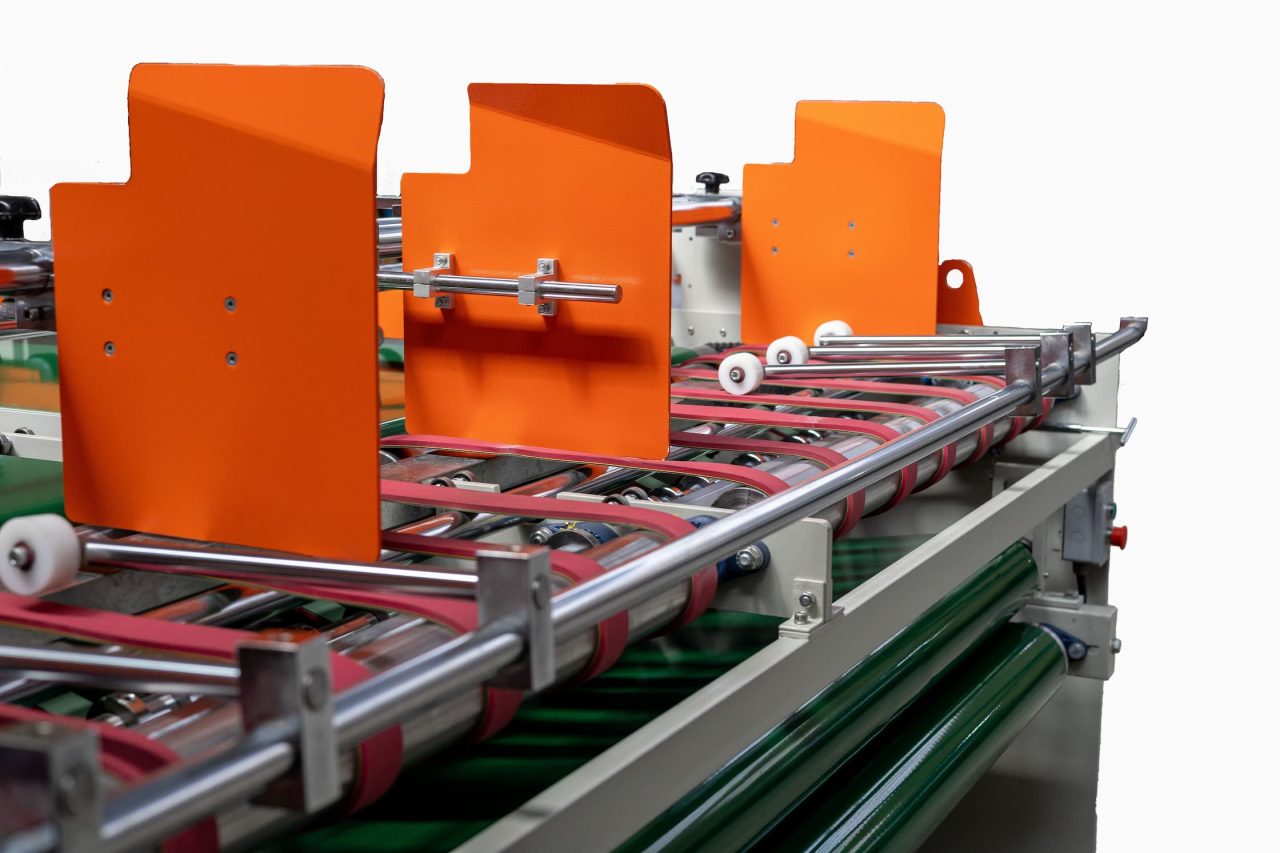
- Automation: Automated packaging systems can increase efficiency and reduce material usage.
- Digital Printing: On-demand printing reduces waste associated with overproduction and obsolete designs.
4. Supply Chain Collaboration
Engaging with suppliers and partners ensures the sustainability of packaging materials:
- Sustainable Sourcing: Partnering with suppliers who adhere to sustainable practices ensures the integrity of the entire supply chain.
- Logistical Efficiency: Optimizing transportation and storage can reduce the carbon footprint associated with packaging.
- Closed-Loop Systems: Implementing take-back programs encourages recycling and reuse of packaging materials.
5. Consumer Engagement and Education
Educating consumers about sustainable packaging practices fosters responsible behavior:
- Clear Labeling: Providing information on how to properly dispose of packaging materials encourages recycling.
- Incentive Programs: Offering rewards for returning packaging can increase participation in recycling initiatives.
- Transparency: Sharing sustainability efforts and achievements builds trust and encourages consumer support.
Challenges in Implementing Sustainable Packaging
While the benefits are clear, businesses may face challenges, including:
- Cost Implications: Sustainable materials and technologies can have higher upfront costs.
- Supply Chain Limitations: Availability of sustainable materials may be limited in certain regions.
- Consumer Behavior: Encouraging consumers to adopt sustainable practices requires continuous education and incentives.
- Regulatory Compliance: Navigating varying regulations across regions can be complex.
Future Trends in Sustainable Packaging
The landscape of sustainable packaging is continuously evolving:
- Bioplastics: The development of biodegradable plastics from renewable sources offers promising alternatives to traditional plastics.
- Edible Packaging: Innovations in edible materials can eliminate packaging waste entirely.
- Smart Packaging: The integration of technology to monitor product freshness and reduce waste is on the rise.
- Circular Economy Models: Emphasizing reuse, repair, and recycling to create a closed-loop system.
Case Studies in Sustainable Packaging
1. Eco-Friendly Packaging by Tea Drops
Tea Drops, an innovative tea company, has implemented sustainable packaging solutions by utilizing compostable materials and reducing packaging waste. Their approach not only aligns with environmental goals but also appeals to eco-conscious consumers.
2. Saks Off 5th’s Automated Recycled Packaging
Saks Off 5th has pioneered sustainable fulfillment by adopting automated 100% recycled packaging. This initiative has led to significant reductions in material usage and enhanced operational efficiency.
3. ExpandOS™: Reducing Damage and Costs
ExpandOS™, a sustainable packaging solution, has helped manufacturers reduce packaging costs and damage rates. By utilizing innovative materials and designs, companies have achieved substantial improvements in packaging efficiency.
Conclusion
Adopting sustainable packaging solutions is not merely a trend but a necessary shift towards environmental responsibility. By implementing strategic measures, businesses can contribute to a sustainable future while reaping the benefits of enhanced brand reputation and consumer loyalty.
Visit Modern Machinee to explore how our technology and expertise can transform your packaging